Yes, Stockholm is worth visiting in winter for a two- or three-day city break built around museums, Christmas markets, food and sauna. Expect about six hours of daylight in late December, temperatures around or below freezing and snow that comes and goes. December brings the markets and Lucia on 13 December; January to March is quieter, with skating on natural ice when the lakes freeze.
For the archipelago at its best, come in summer. For the northern lights, continue to Helsinki and Finnish Lapland.
Stockholm in winter is a city break, not a summer trip in a colder month. The archipelago boats run a reduced timetable, the days are short and snow comes and goes, but the museums, restaurants, saunas and Christmas traditions are at their best. Two or three full days suit most first visits.
The month you choose changes the trip more than anywhere else in the Nordic capitals. December is about markets, lights and Lucia. January and February are quieter, with skating on natural ice when the lakes freeze. By March the evenings are light again. Below we cover the weather and daylight, what to do in each part of the winter, what closes, and how Stockholm fits into a longer winter route with Helsinki and Finnish Lapland.
Is Stockholm worth visiting in winter?
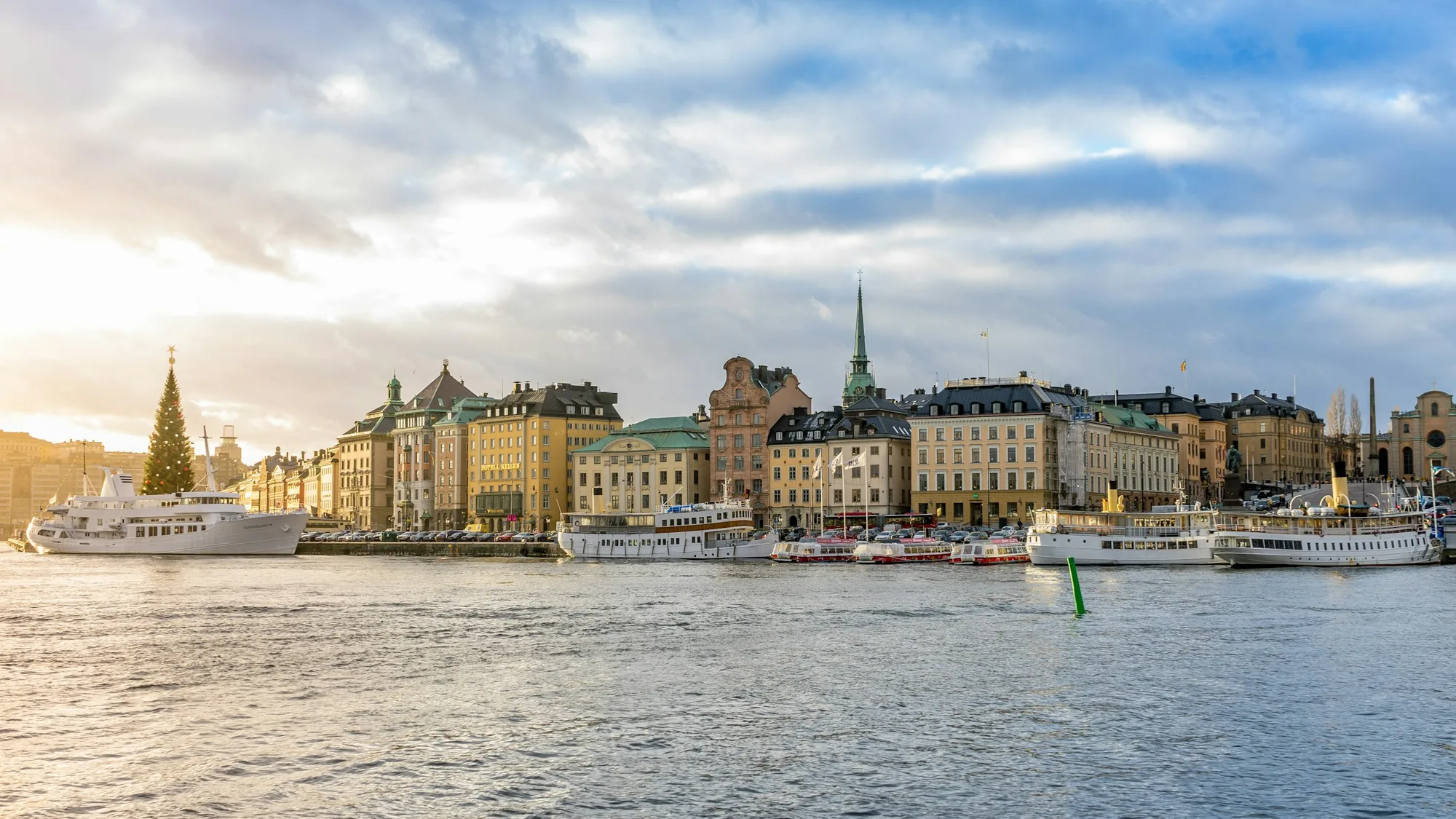
Yes, if you come for the city itself. Stockholm's main sights are indoors or close together: the Vasa Museum, Skansen, Nationalmuseum, Fotografiska, the Royal Palace and the lanes of Gamla Stan. Winter also brings what summer cannot: the Christmas markets, the Lucia concerts on 13 December, a classic julbord and a wood-fired sauna followed by a cold dip.
Winter is less suited to travellers who want long days on the water or hope to see the northern lights. Many island restaurants and guesthouses close outside summer, and Stockholm sits too far south to plan a trip around the aurora. If those matter, come in summer for the archipelago, or continue north for the sky.
Stockholm winter weather and daylight
Visit Stockholm describes December as usually cold and dark, with temperatures often around or below freezing. Snow is common but not guaranteed: some winters bring weeks of it, others mostly grey skies and wet streets. Plan as if it may be icy underfoot, and treat snow as a bonus.
Daylight is the bigger factor. Around the winter solstice the sun rises at about 08:45 and sets at about 14:50, which gives roughly six hours of daylight. By mid-February the day lasts more than nine hours, and by mid-March almost twelve. In practice, December is a trip of lit streets and long evenings indoors, while February and March give you proper daylight for walks and skating.
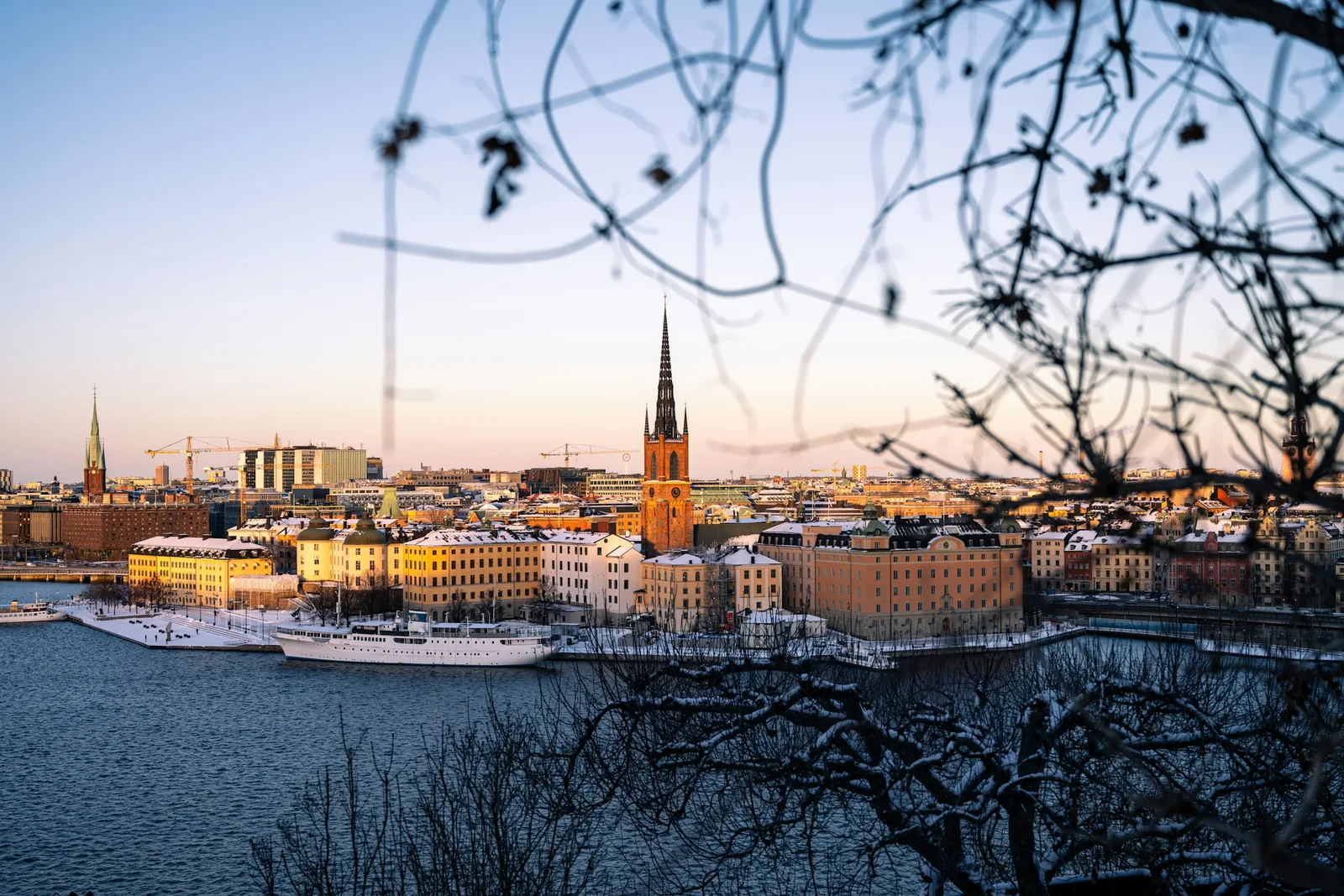
Bring a thermal base layer, a warm mid-layer and a wind- and water-resistant outer layer, plus a hat, gloves and boots with good grip. Pavements by the water can be icy even when the roads are clear.
December: Christmas markets, lights and Lucia
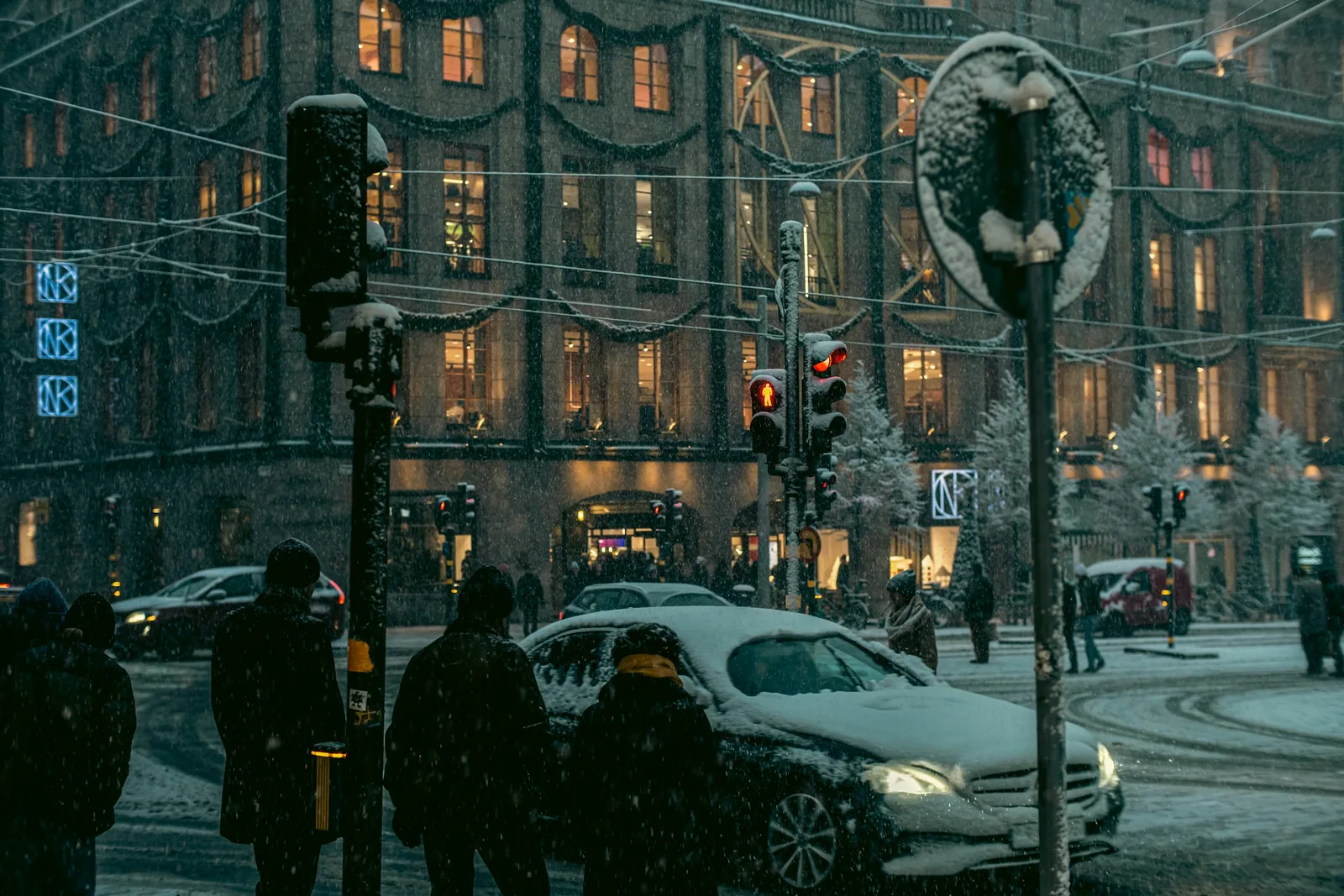
December is the busiest winter month in the city centre and the most atmospheric. The city's Christmas lights are switched on around 15 November, and Visit Stockholm counts more than 40 streets and squares with about one million LED lights. The window displays at the NK department store on Hamngatan have been a Christmas tradition since 1915.
Christmas markets
- Skansen: the open-air museum's Christmas market has been held since 1903. In 2026 it runs Friday to Sunday from 27 November to 20 December, from 10:00 to 17:00 on Fridays and Saturdays and to 16:00 on Sundays.
- Stortorget in Gamla Stan: the market on the Old Town's main square dates from 1837 and is open every day from late November until 23 December, usually from 11:00 to 18:00, with longer hours on Fridays and Saturdays.
Visit Stockholm notes that the market season usually starts in mid-November, and that smaller design and neighbourhood markets open on selected weekends. Go to Stortorget early in the day or on a weekday if you can, as it is small and busy at weekends.
Lucia, Nobel Week and julbord
Lucia falls on 13 December. Choirs in white gowns carry candles into churches and concert halls early in the morning and through the day, and Visit Stockholm lists both ticketed concerts and open celebrations. Book a concert as soon as your dates are set, as the best ones sell out.
Nobel Day is 10 December. The award ceremony and banquet are by invitation only, but in 2026 the Nobel Week Lights festival illuminates buildings in central Stockholm from 5 to 13 December, and the Nobel Prize Museum in Gamla Stan is open to visitors.
The julbord, the Swedish Christmas buffet, is served from November until just before Christmas. Expect Christmas ham, meatballs, pickled herring, Jansson's temptation and glögg. Grand Hôtel serves its Christmas buffet in the Veranda overlooking the water and in the historic Vinterträdgården. Visit Stockholm advises booking popular julbord tables well in advance, especially at weekends.
If you are planning a December stay, send us your dates early: we can time it for Lucia or the Skansen weekends and reserve the dinners and concerts that fill first.
January to March: a quieter Stockholm
After the Swedish Christmas school holidays end in early January, Stockholm becomes a calm winter city. The markets and holiday events are over, the museums are quieter, and the days lengthen quickly from February.
Skating, on rinks and natural ice
The outdoor rinks in Kungsträdgården and Vasaparken are the most central places to skate, and Visit Stockholm notes that skates can be rented on site at Kungsträdgården. Skating on natural ice is the real Stockholm winter experience: when the ice is thick enough, lakes around the city are ploughed into long skating tracks. Visit Stockholm says the season usually starts in mid to late January, earlier in a very cold winter.
Natural ice is unsupervised and its thickness varies, so go with an experienced local guide who checks conditions and brings safety equipment. On a short trip, keep this day flexible: whether it happens depends on the weather in the week you travel.

Sauna and a winter dip
Sauna culture is strong in Stockholm, and winter is its season. Visit Stockholm lists public saunas by the water, such as the newly opened sauna at Bergsund Strand on Södermalm with 90-minute sessions, as well as private wood-fired saunas and day spas in the archipelago. A short dip in cold water is part of the tradition, but it is optional, and Visit Stockholm's advice is to keep it to a few seconds, never go in alone and use a designated bathing spot.
What to do on a winter day in Stockholm
With six to nine hours of daylight, plan the outdoor part of the day around midday and keep museums and dinners for the dark hours. A good winter day combines one major sight, a walk in the light and a long evening.
- Vasa Museum: the 17th-century warship is open daily from 10:00 to 17:00 from September to May, and until 20:00 on Wednesdays. Go at opening time, when it is calmest.
- Skansen: the open-air museum stays open all winter, with shorter hours, so you can see historic farmsteads under snow and Nordic animals in a winter setting.
- Gamla Stan and the Royal Palace: the Old Town is at its best in the low afternoon light, before the shops close.
- Art and photography: Nationalmuseum on Blasieholmen for Swedish design and art, and Fotografiska on the Södermalm waterfront, which stays open late and works well as an evening plan.
- A boat to Vaxholm: boats from Strömkajen run all year and take about an hour, so you can see the inner archipelago in winter even when most island services are closed.
- A long dinner: winter is the season for Stockholm's tasting menus and classic dining rooms, and the best tables book up around Christmas and at weekends.
For a day-by-day plan of the essential sights, see how many days you need in Stockholm, which also shows how to adjust the plan in winter.
What is closed or limited in winter
- The archipelago: timetables are much thinner outside summer, and many island restaurants and guesthouses close. Vaxholm is the simplest winter choice; the boat to Drottningholm Palace runs only from May to October.
- 24 to 26 December: Christmas Eve is the main celebration in Sweden. The Vasa Museum is closed on 24 and 25 December, Skansen is open only from 10:00 to 14:00 on 24 December, and Visit Stockholm warns that many venues have limited hours over these three days. Book Christmas Eve and Christmas Day dinners well ahead.
- Markets after 23 December: the Stortorget market closes on 23 December and the Skansen market on its last weekend, which in 2026 is 18 to 20 December.
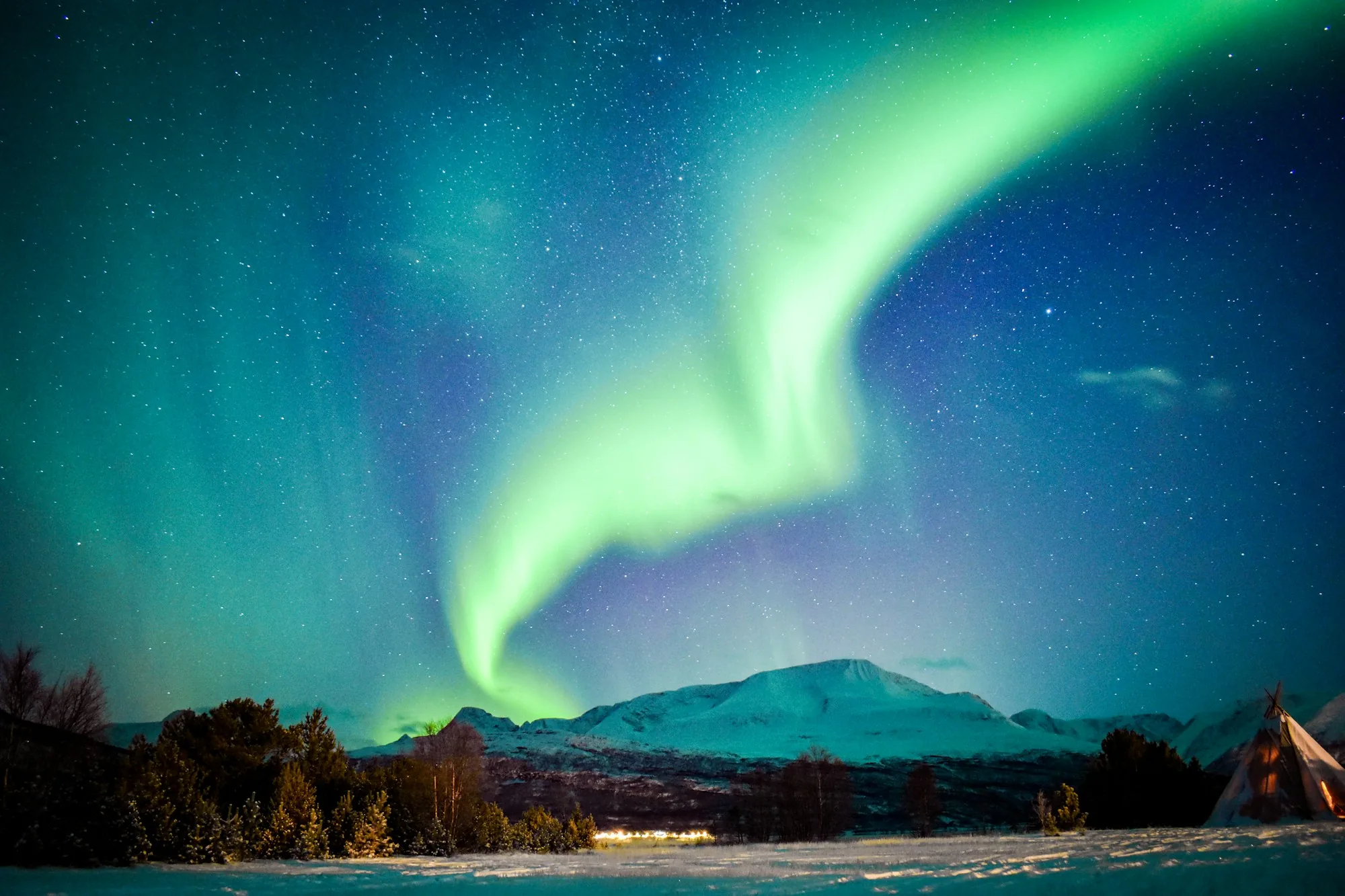
- Northern lights: at a similar latitude in Helsinki, the Finnish Meteorological Institute counts on about one aurora night a month in clear, dark conditions, compared with about three nights in four in northern Finnish Lapland. Do not plan a Stockholm stay around the lights.
How many days, and how Stockholm fits a winter route
Two or three full days, so three or four nights, suit most winter visits. That gives you Gamla Stan and the Royal Palace, Djurgården with the Vasa Museum and Skansen, and one flexible day for a market, a sauna, skating or Vaxholm. The Arlanda Express reaches Stockholm Central in about 18 minutes, which makes arrival and departure days easy to use.
Stockholm also works well as the start of a longer winter journey. Overnight ships leave Stockholm in the late afternoon, call at the Åland Islands and reach Helsinki the next morning, and the flight takes about an hour. From Helsinki, flights to Finnish Lapland put you under the aurora zone the same day. Our Private Helsinki & Lapland Winter Tour runs from December to March and spends two nights in Helsinki, then four in Inari and Saariselkä, from €9,000 per person, based on two guests sharing. It does not include Stockholm, but we can add it in front: three nights at Grand Hôtel, a private day in the city and the overnight ship to Helsinki in a sea-view suite, from €5,700 per person.
Our Private Stockholm Tour is built around a private archipelago day and runs from May to September, so in winter we plan Stockholm as a tailor-made stay instead. For the aurora part of the trip, see our guide to the northern lights in Finland.
When private arrangements help in winter
Stockholm is easy to explore on your own in winter: a central hotel, a public transport ticket and a short list of museums are enough for many travellers. Private arrangements earn their place when the short days need to be used well, or when several pieces have to fit together.
- A private guide who links Gamla Stan, the Royal Palace and Djurgården in the daylight hours, without waiting for transport in the cold
- A guided natural-ice skating day, booked with a flexible date so it can move to the week's best ice
- Lucia concerts, julbord tables and Christmas Eve dinners reserved when booking opens, not when you arrive
- Private transfers to the airport, the Helsinki ship and onward to Lapland, timed around winter weather
- A pace that suits families and older travellers, with indoor options planned for each day
Frequently asked questions
How cold is Stockholm in winter?
Visit Stockholm describes winter temperatures as often around or below freezing. Wind by the water makes it feel colder, so dress in layers and bring good gloves.
Does it snow in Stockholm in December?
Often, but not every year or every week. Some Decembers are white, others mostly grey and wet. January and February are more likely to have lasting snow and ice.
Is December or February better for Stockholm?
December for Christmas markets, lights and Lucia. February for more than nine hours of daylight by mid-month, quieter museums and a better chance of skating on natural ice.
Can you see the northern lights in Stockholm?
Occasionally, during strong displays, but not reliably. For a real chance, combine Stockholm with Finnish Lapland, where the lights are seen on many more clear, dark nights.
Plan your winter in Stockholm
Stockholm in winter rewards a short, well-paced stay: one major sight a day, a walk in the light and a good dinner, with Christmas traditions in December and skating and sauna later in the season. Tell us your dates and who is travelling, and we will plan a private winter stay in Stockholm, on its own or as the first stop before Helsinki and Lapland.
Continue planning
At a glance
- Two nights at Hotel Kämp with a full private day in Helsinki
- Two nights on the shore of Lake Inari, the heart of Sámi culture
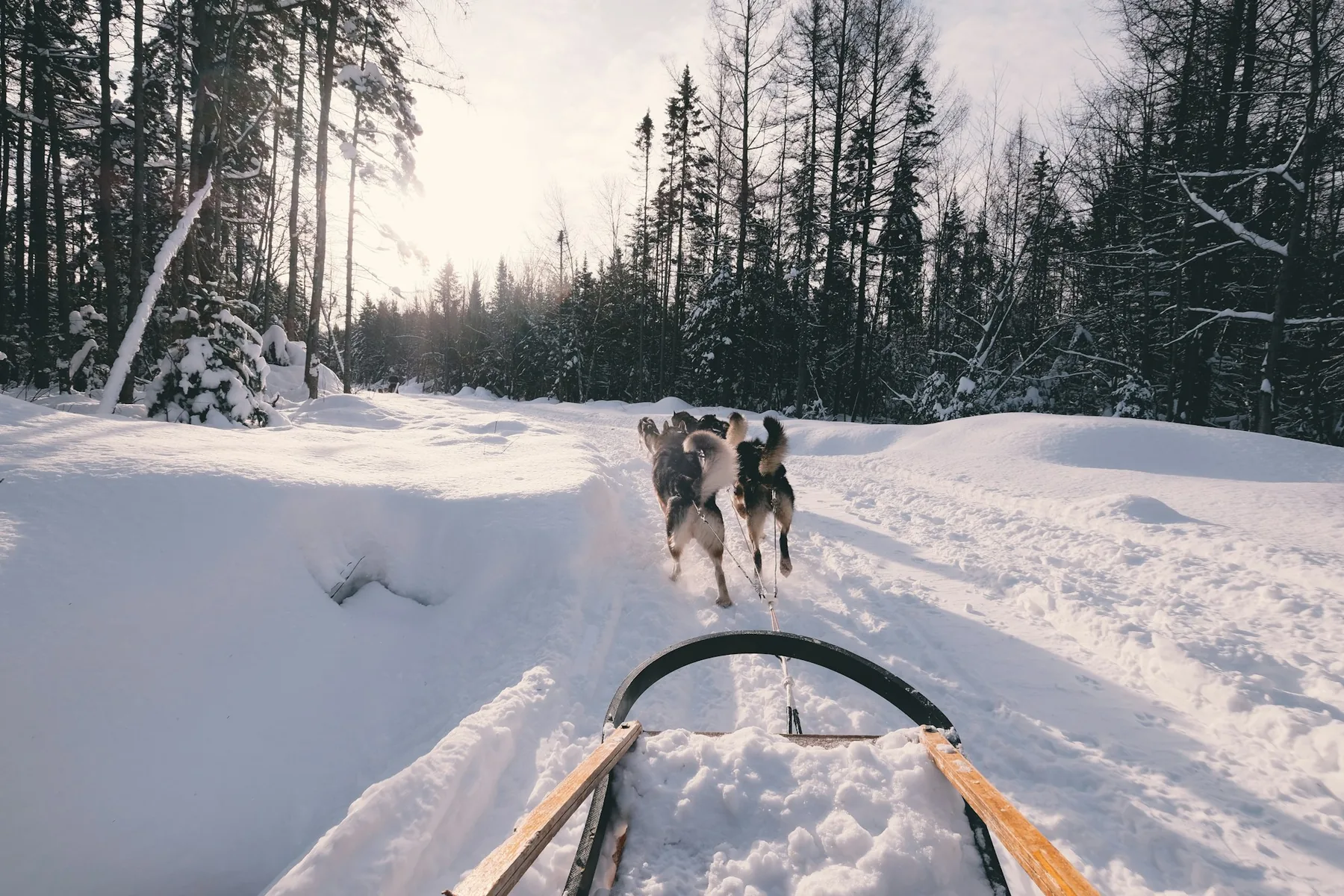
- Reindeer, huskies, a snowmobile ride on the frozen lake and two guided aurora outings
- Two nights at a forest spa beside Urho Kekkonen National Park
Seven days that join Finland's design capital with the far north of Lapland. You start with two nights in Helsinki: a full day with your own guide and driver, then a seafront sauna and a dip in the frozen Baltic. It is the city at its most Finnish, not a stopover on the way north.
A morning flight takes you to Ivalo, the northernmost airport in Finland. From here the trip splits between two quiet bases. Inari sits on the shore of a vast frozen lake and is the centre of Sámi culture in Finland, with long dark skies for the Northern Lights. Saariselkä lies on the edge of Urho Kekkonen National Park, one of the largest wilderness areas in the country.
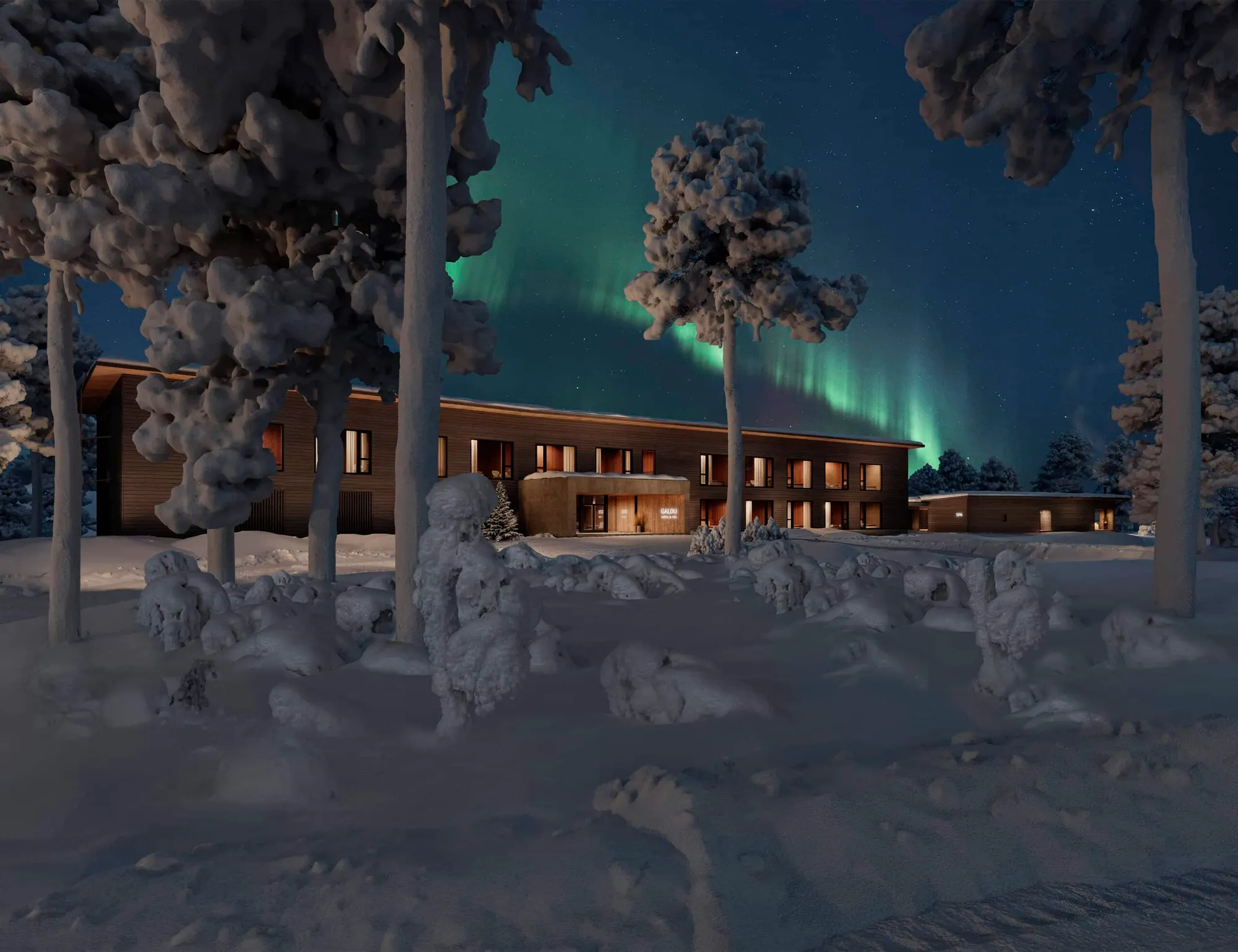
Inari comes first for the active days: reindeer, a snowmobile ride across the lake with ice fishing, a husky safari and evenings out under the aurora. The last two nights at Gáldu Hotel & Spa slow the pace down, with a forest spa, a snowshoe walk into the fells and a private aurora hunt by car. Ivalo Airport sits between the two bases, so no transfer takes more than about an hour. Starting in Rovaniemi instead? Our guide to getting from Rovaniemi to Saariselkä compares the bus, driving and a private transfer.
Add Stockholm. Begin with three nights at Grand Hôtel in Stockholm, a private day in the city and the overnight ship to Helsinki in a sea-view suite, arriving in the morning for your first day here. From €5,700 per person on top of this journey, based on two guests sharing. Our guide to Stockholm in winter covers what the city is like from December to March.