.svg)
Things to Do in Lapland with Kids: The Short Answer
Families can plan a rewarding Lapland trip at almost any age, but babies, toddlers, school-age children and teenagers should not be given the same itinerary.
Babies need short outings with warmth close at hand. Toddlers usually respond best to Santa, reindeer, snow play and brief rides. School-age children can add huskies, beginner skiing, snowshoeing and snow-and-ice attractions. Tweens and teenagers can usually manage longer outdoor sessions, more active winter sports, photography and later evenings.
The useful question is not simply, “Can children do this?” It is: will this child be an observer, a passenger or an active participant — and for how long will they be comfortable outside?
As a starting point:
- Babies under two: short animal visits, a carefully timed Santa meeting, indoor attractions and brief outdoor moments with a heated room or vehicle close by.
- Toddlers and pre-schoolers aged two to five: snow play, reindeer encounters, short rides, Christmas activities and simple indoor experiences.
- Children aged six to nine: husky and reindeer experiences, beginner ski lessons, sledging, short snowshoe walks, ice attractions and campfire lunches.
- Tweens aged ten to twelve: longer safaris, skiing, snowshoe routes, ice fishing, winter skills and photography.
- Teenagers aged thirteen to seventeen: skiing, snowboarding, fat biking, longer wilderness days, aurora photography, sauna, food experiences and motorised activities where the exact rules permit them.
These are planning ranges, not universal admission rules. Operators set their own minimum ages, heights, weights, equipment requirements and weather restrictions. A well-designed private Nordic family holiday checks the exact version of each activity against the children who are actually travelling.
Why an Activity Name Does Not Tell You Whether It Suits a Child
A “husky experience” might mean meeting the dogs and taking a short ride, or it might involve several hours outdoors on a longer route. A “reindeer visit” could be a calm farm encounter with a heated shelter, or an extended sleigh journey where passengers sit still in the cold. An “aurora tour” could mean stepping outside a glass-roofed cabin when the sky clears, or driving for hours late at night.
Those differences matter more than the label on the booking page.
For families, the main variables are:
- total time away from the accommodation;
- actual time outdoors rather than the advertised activity duration;
- whether the child sits still or keeps moving;
- access to a heated shelter, toilet and warm vehicle;
- the sizes and quality of available thermal clothing;
- noise, speed and vibration;
- the child’s bedtime, nap routine and cold tolerance;
- whether one parent must supervise a younger child while another participates;
- the operator’s current age, height, weight and safety rules.
The same experience can be excellent for an eight-year-old and unsuitable for their two-year-old sibling unless the day is adapted.
Lapland Activities by Age: From Babies to Teenagers
Babies and infants under two
A winter trip to Lapland with a baby is possible, but it should be built around warmth, proximity and flexibility rather than completing the standard safari list.
The most suitable plans are short and easy to leave. A quiet Santa meeting, a reindeer or husky farm visit without a long ride, a private cabin with forest views, a brief family photograph in the snow or an indoor attraction can all work. The experience is for the family as a whole; the baby does not need to participate in every activity for the journey to be worthwhile.
Official Finnish travel guidance recommends extra care with babies and very young children in low temperatures and limiting outdoor time when it is very cold. Confirm the baby’s exact clothing size before arrival: “children’s thermal wear available” does not guarantee that infant sizes are stocked.
A normal pushchair can also be awkward in deep snow. Ask whether a winter-compatible pram, sledge or cleared route is practical at the accommodation and activity venue.
Avoid making long sleigh rides, snowmobile-pulled sleds or late-night aurora drives essential. A kinder aurora plan is accommodation with a clear view and an alert service where available, allowing an adult to step outside without waking the baby. Any individual health concern should be discussed with the child’s healthcare professional before travel.
Toddlers and pre-schoolers aged two to five
At this age, Lapland works best in short chapters. Meeting Santa, feeding reindeer, taking a brief sleigh ride, playing in snow, sliding down a small hill, decorating gingerbread and warming up beside a fire are easier to absorb than a full day of scheduled attractions.
A husky farm visit may be suitable even when the child is too young for a particular safari. If a ride is offered, ask how long the child will be seated, whether an adult rides beside them, how exposed the sled is and what happens if the weather changes. Do not assume that every “family safari” accepts every toddler.
Plan one main outing, return to warmth and protect the nap or quiet period. For the youngest travellers, having warm transport available at the right moment can determine whether the day remains enjoyable. Guidance’s private transfers can include infant, toddler or booster seats on request; the correct seat must be requested using the child’s current measurements.
Children aged six to nine
For many families, this is a straightforward age range for a first classic winter trip. Children can still enjoy Santa and snow while taking part in a broader mix of outdoor experiences.
Good options can include husky rides as a passenger, reindeer farm visits, sledging, snow tubing, beginner ski lessons, short snowshoe walks, snow-and-ice attractions, campfire lunches and gentle nature guiding. A private Santa day can also be paced around the child’s attention span instead of the busiest visitor flow.
Do not assume a child can drive a husky sled simply because they are comfortable as a passenger. Driving rules, physical requirements and operator policies vary. The Private Lapland Family Holiday in Pyhä and Rovaniemi is a useful starting structure because it separates huskies, Santa and reindeer across different days rather than stacking them together.
Tweens aged ten to twelve
Tweens can usually stay engaged for longer and often appreciate experiences that give them a role. Skiing or snowboarding lessons, a longer snowshoe route, ice fishing, winter skills, campfire cooking, aurora photography and a more substantial husky or reindeer programme can all work.
The planning mistake at this age is to use the minimum admission age as proof that an activity is a good fit. Ask about distance, waiting time, physical effort and how much of the experience is explanation rather than action. A confident twelve-year-old who skis regularly may want a very different day from a twelve-year-old seeing snow for the first time.
Mixed-age families can also use parallel timing: one parent joins the tween for a longer activity while the younger child has a calm farm visit or returns to the villa, then everyone meets for lunch or sauna time.
Teenagers aged thirteen to seventeen
Teenagers usually respond better when treated as travellers with preferences, not as older children following a Santa itinerary. Give them meaningful choices: snowboarding or cross-country skiing, an active snowshoe route, winter fat biking, wildlife or aurora photography, a private sauna evening, local food, a longer husky experience or unstructured time at the resort.
Motorised activities require particular care. Traficom states that a snowmobile may be driven from age 15, but a category T licence is required on official snowmobile routes and when crossing roads. Commercial safari operators may be stricter; one major Lapland operator requires drivers to be at least 18 and hold a valid driving licence. Never assume that a teenager can drive because a website uses a broad “teen” category. Confirm the route, legal requirements, licence recognition and operator policy in writing.
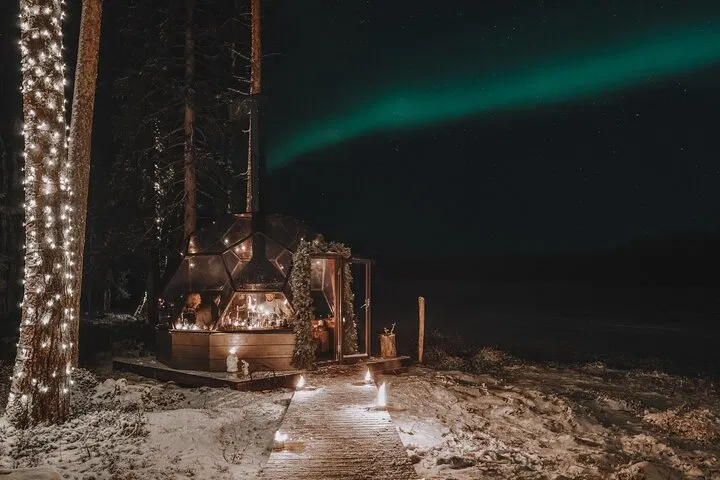
For an older family whose participants meet the confirmed requirements, a private Northern Lights snowmobile and glass igloo dinner in Rovaniemi can combine activity, dinner and transfers in one evening. The Northern Lights remain a natural phenomenon and cannot be guaranteed.
Ten Family Activities in Lapland — and How to Choose Them
1. Santa and Christmas experiences
These are strongest for toddlers and primary-school children but can work for a multi-generational family when the encounter feels personal and unhurried. Santa Claus Village in Rovaniemi is open year-round; individual attractions, opening hours and seasonal programmes must still be checked for the travel date.
2. Reindeer farms and sleigh rides
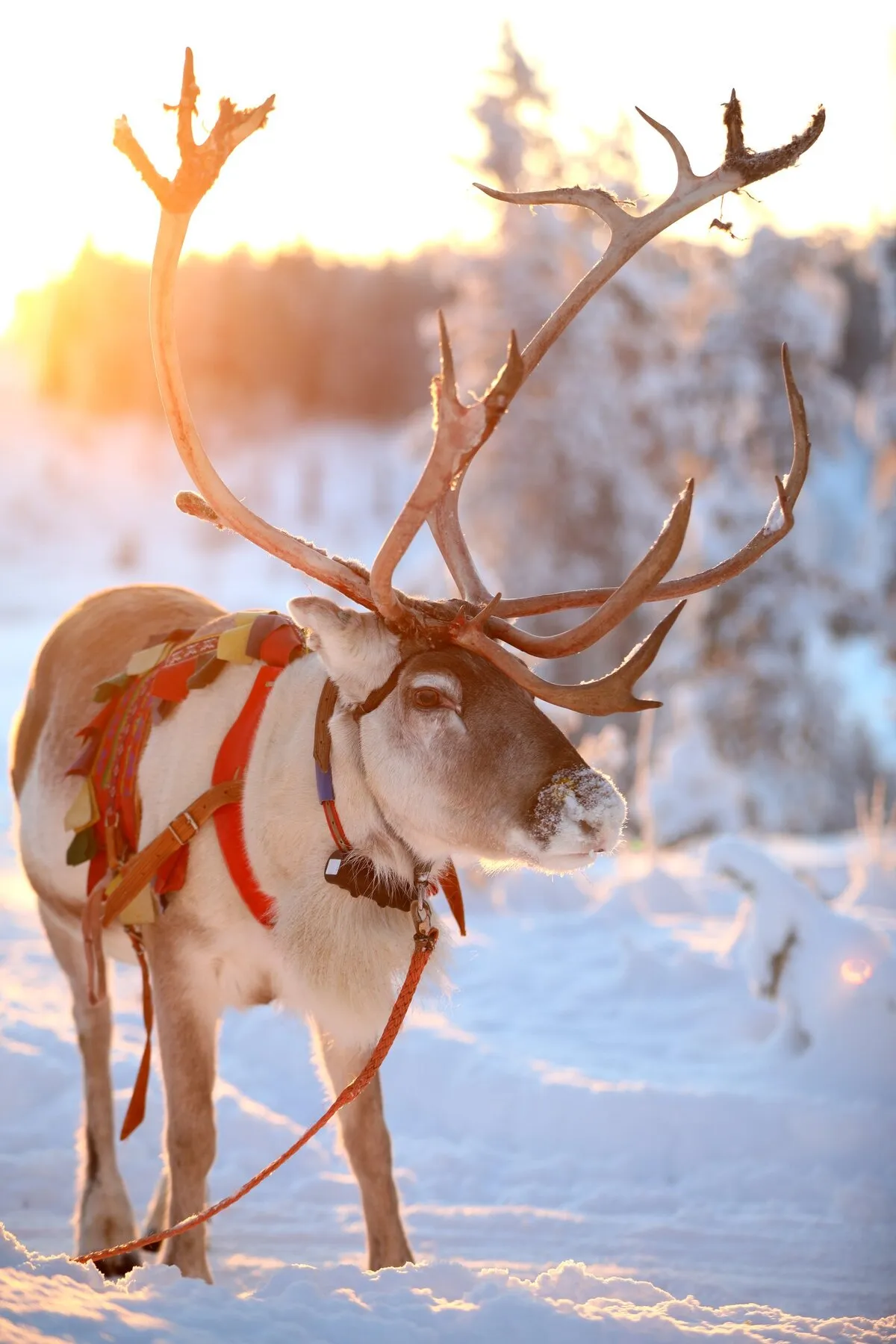
A hosted farm visit is one of the gentler ways to introduce children to Lapland and often suits a wider age range than a long ride. Because passengers sit still, an extended sleigh journey may feel colder than a more active experience.
3. Husky visits and sled rides
A kennel or farm visit can suit younger children, while longer rides are better for guests who can remain seated and comfortable. Ask about distance, sled seating, noise, protective clothing, adult supervision and the operator’s animal-welfare practices.
4. Snow play, sledging and tubing
Simple snow time is often the most successful part of a child’s day, yet it is frequently removed by an overfilled itinerary. Leave open time near the cabin or resort so children can enjoy the snow without another transfer or appointment.
5. Skiing and snowboarding
These are strong options for school-age children, tweens and teenagers. First-timers benefit from a private or very small lesson, correctly sized equipment and a warm break immediately afterwards. Pre-school lessons and beginner areas exist at some resorts, but age policies differ.
6. Snowshoeing, cross-country skiing and winter nature
These work best for active school-age children and older guests when the distance is kept realistic. The guide should choose the route around the least experienced participant, not the most enthusiastic adult.
7. Snowmobiling and snowmobile-pulled sleds
Driver, passenger and sled rules are different. Confirm the legal requirements, the operator’s policy, the type of sled, helmet provision, outdoor exposure and the alternative plan before booking. A child accepted in a covered sled is not automatically permitted as a passenger on the machine itself.
8. Snow hotels, ice sculptures and winter parks
These can work across a broad age range and provide a visually strong experience without a long wilderness journey. They remain cold environments with potentially slippery surfaces. Construction schedules and opening dates change each winter, so the exact venue must be reconfirmed.
9. Northern Lights experiences
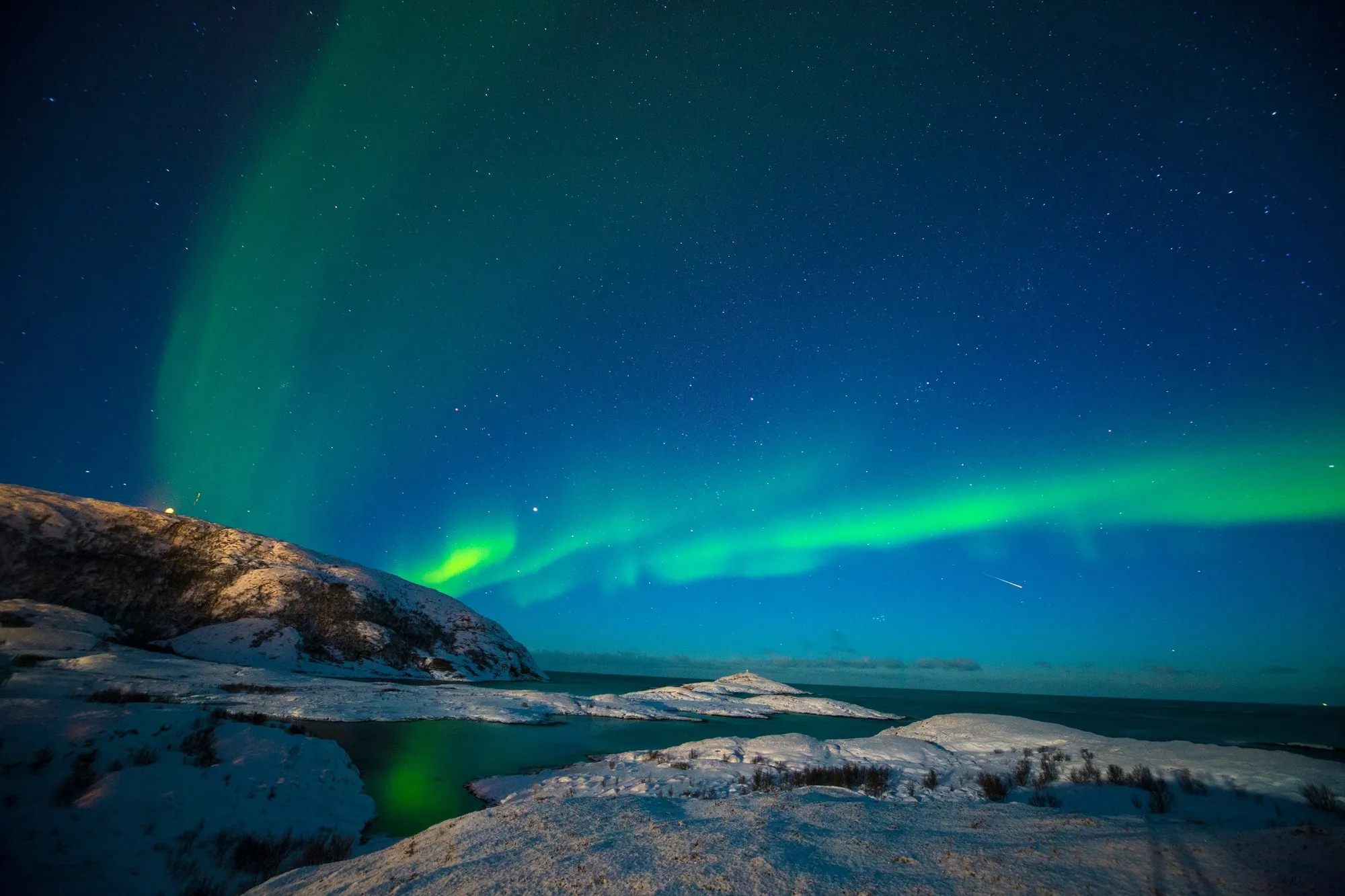
Late-night outings are generally easier for older children. With toddlers or babies, accommodation-based viewing is often kinder than a long chase. Keep aurora plans flexible and never present a sighting as guaranteed: darkness, cloud cover and geomagnetic activity all matter.
10. Cabins, campfires and family sauna time
These quieter elements stop the trip from becoming a chain of transfers. A private villa creates space for naps, simple meals, drying clothing and an early night. Children should always be supervised in a sauna; younger children can use the cooler lower bench and leave whenever they feel uncomfortable.
Winter or Summer: Which Season Suits Your Children?
For the classic combination of snow activities, huskies, reindeer, Santa and winter scenery, December to March is the clearest planning window in Rovaniemi and many established Lapland resorts. Exact operating dates depend on snow, venue construction and the supplier.
December offers the strongest Christmas atmosphere, but it also brings high demand, very limited daylight and heavier pressure on the best-known venues. February and March bring more daylight while many snow-based activities are normally operating. Finnish Meteorological Institute statistics show that snow depth in Lapland is commonly at its greatest around March or early April, although this is climatology rather than a guarantee for a specific week.
Northern Lights can appear on dark, clear nights from autumn into early spring. They should remain a possibility rather than the emotional centre of a young child’s trip. For a direct comparison, read Lapland in December vs March and review Guidance’s private winter travel options.
Summer Lapland is a different family holiday, not a weaker version of winter. Long light supports hiking, cycling, paddling, river experiences, wildlife, reindeer visits and easier outdoor movement without heavy winter clothing. Minimum ages and water-safety rules still apply to individual activities.
The Helsinki + Summer Lapland Escape shows how Ruka–Kuusamo and Oulanka can be combined with southern Finland.
For babies and toddlers, late winter or summer can make daily logistics softer. For active teenagers, March skiing or a summer nature programme may be more compelling than a Santa-led December trip. The right season follows the children and the family’s priorities, not the most recognisable Lapland photograph.
Where to Stay in Lapland with Children
Rovaniemi is useful for Santa Claus Village, indoor attractions, a broad activity choice and straightforward arrival logistics. It suits a short first visit or the Santa-focused section of a longer trip. During the festive peak, careful timing and private transfers matter because the best-known locations can be busy.
Levi works well for families who want skiing, resort services, restaurants and winter activities within one established base. It can be particularly suitable for school-age children and teenagers who want more choice between active days.
Pyhä and Luosto offer a quieter villa-based rhythm. A family can stay outside the busiest hub, separate the main winter activities across the week and make one planned Santa day in Rovaniemi. This is the structure used in Guidance’s private family package.
Ruka–Kuusamo is strong for families interested in winter sports and summer nature. It can anchor national-park days in summer or skiing and snow activities in winter.
For a first five- or six-night trip, one main base is usually enough. Two bases can work when each has a clear role; changing accommodation simply to collect more place names rarely improves a family holiday. The comparison Levi vs Rovaniemi explains the practical differences in more detail.
How Many Days Do You Need in Lapland with Children?
For most first family trips, five or six nights is a practical starting point. It allows for an arrival day, three or four substantial experiences, a slower half-day and a departure without treating airport days as full sightseeing days.
Four nights can work with one base and a focused priority list. Seven nights or more makes sense if the family wants several ski days, two bases, a slower villa stay or a combination with Helsinki. A one-day Lapland visit may deliver a Santa encounter, but it leaves almost no resilience for delays, cold, tired children or changing weather.
A reliable family rhythm is:
- one main cold-weather activity per day;
- a warm or unstructured period after every substantial outing;
- no compulsory late aurora drive on the arrival night;
- at least one flexible half-day in a six-day trip;
- no accommodation change unless it improves the route;
- optional rather than compulsory evening plans for younger children.
Use the 6-Day Finnish Lapland Itinerary for a route-level example, and read How to Get to Lapland before deciding whether the family should fly, take the night train or connect through Helsinki.
What Parents Should Confirm Before Booking
Before paying for a family activity, ask questions that relate to your specific children rather than relying on the words “family-friendly”.
- What are the minimum age, height and weight requirements for this exact format?
- Is the child observing, riding as a passenger or operating equipment?
- How much of the total duration is actually outdoors?
- Is there a heated shelter, toilet and warm vehicle immediately available?
- What thermal clothing is included, and are the children’s exact sizes stocked?
- Who sits with or supervises the child during the ride?
- How loud, fast or physically demanding is the experience?
- What is the weather-cancellation or route-change policy?
- Is there a shorter alternative if the child becomes cold or tired?
- Are child seats confirmed using each child’s age, height and weight?
- Can meal times, allergies, highchairs and an early dinner be arranged in advance?
- Does the venue work with a pram, sledge or limited mobility?
- What animal-welfare practices does the farm or kennel follow?
Availability, prices, operating formats and age rules can change by supplier and season. Reconfirm them for the actual travel dates rather than copying them from an old itinerary.
Why Private Planning Helps a Mixed-Age Family
The value of private planning is not that every moment must be exclusive. It is that the itinerary can respond to the people in it.
A family with a baby, an eight-year-old and a teenager may need one shared reindeer morning, two different afternoon options and one vehicle that can bring the youngest child back early. A grandparent may want to join the fireside part of a snowshoe day without walking the full route. A teenager may want a ski lesson while a toddler sleeps. Those small decisions are difficult to solve inside a fixed group departure.
Guidance DMC can coordinate:
- door-to-door private transfers with requested child seats and room for winter luggage;
- family rooms, connecting rooms or a private villa suited to the route;
- activity times that reduce unnecessary waiting outdoors;
- exact age, height, equipment and licence checks with suppliers;
- parallel plans for different ages without breaking the whole day apart;
- restaurant timings, highchairs, allergies and children’s menus;
- realistic buffers for weather, naps, clothing changes and tiredness;
- local support when an activity must move or a child needs to stop early.
The result is not a fuller schedule. It is a tailor-made Lapland journey with fewer avoidable points of friction.
Want Your Lapland Family Trip Planned Around the Children?
Tell Guidance DMC who is travelling, the children’s ages at the time of travel, your preferred dates, the experiences that matter most and the pace your family normally enjoys. We can check age restrictions, choose a suitable base, coordinate private transfers and prepare a proposal with enough winter substance — and enough room to recover from it.
Plan a private family holiday in Lapland
Continue Planning Your Private Lapland Family Trip
- Private Lapland Family Holiday in Finland — start with a six-day Pyhä villa route that separates Santa, huskies and reindeer into family-paced days.
- Luxury Finland Tours & Private Packages — compare Finnish Lapland with Helsinki, Lakeland and other private Finland routes.
- Winter & Northern Lights Travel — explore private winter journeys, seasonal accommodation and aurora-focused planning.
- Levi vs Rovaniemi — decide whether a resort base, a Santa-focused city stay or a combination suits your family.
- 6-Day Finnish Lapland Itinerary — see how the main winter activities can fit into one week without rushing.
- How to Get to Lapland, Finland — compare the practical roles of flights, night trains and private transfers before choosing the base.
- Helsinki + Summer Lapland Escape — consider a warm-season family route through Helsinki, Ruka–Kuusamo and Oulanka National Park.
FAQ: Lapland with Babies, Children and Teenagers
What is the best age to take a child to Lapland?
There is no universal best age. Children aged roughly five to nine can often combine interest in Santa with enough stamina for short winter activities, but that does not make other ages unsuitable. Babies need a warmth-led itinerary, toddlers need short sessions and protected rest, while tweens and teenagers generally want more active and independent experiences. The best age is the age for which the trip is designed honestly.
Can you take a baby to Lapland in winter?
Yes, but the programme should be much lighter than a standard winter itinerary. Keep outdoor periods short, use warm private transport, stay close to the accommodation, confirm infant-sized clothing and avoid making long sled rides or late aurora tours essential. Parents should seek medical advice for any child-specific health concern before travelling.
What can toddlers do in Finnish Lapland?
Toddlers can enjoy snow play, a calm Santa visit, reindeer feeding, a short sleigh experience, a husky farm visit, simple indoor Christmas activities and time beside a fire. The exact ride or safari must accept the child’s age, and a warm return point should be close. One main outing is usually enough for a toddler’s day.
Are husky and reindeer rides suitable for young children?
They can be, but farm visits and rides are not the same. A young child may be welcome to meet the animals but not accepted on a longer sled route. Ask for the ride duration, seating arrangement, adult supervision, thermal equipment, outdoor exposure and current minimum age before booking.
Can teenagers drive snowmobiles in Lapland?
Not automatically. Traficom states that a snowmobile may be driven from age 15, but category T licence requirements apply on official routes and when crossing roads. Commercial safari operators may require drivers to be at least 18 and hold a valid driving licence. Confirm the exact route, licence and supplier rules in writing before including teen self-driving in an itinerary.
How many days are enough for Lapland with children?
Five or six nights works well for many first-time families. It gives room for arrival and departure, three or four main experiences, rest and at least one flexible period. Four nights can work from one base; seven or more is better for skiing, two regions or a combination with Helsinki.
Is December or March better for a Lapland family holiday?
Choose December for the strongest Christmas atmosphere and March for longer daylight with established snow activities normally still available. December is busier and darker; March often feels easier for active days and photography. Snow, weather and individual activity dates must always be checked for the exact destination and year.
Final Thoughts
The best things to do in Lapland with kids are not simply the activities carrying a “family” label. They are the experiences whose duration, warmth, participation level and timing match the actual children on the trip.
A baby may need a view from a warm cabin. A toddler may remember feeding one reindeer more than a full day of attractions. A school-age child may want huskies and Santa. A teenager may value a ski slope, a camera and the freedom to choose. A strong itinerary makes room for all of them without forcing the whole family into the same pace.