Yes, Finland is safe to visit. Official travel advice from the US, UK, Canada and Australia treats Finland as a normal-precautions destination, and none advises against travel because of Russia. All land border crossings with Russia have been closed since December 2023, so the border is not part of any visitor route, while Helsinki and Lapland operate as normal.
UK and Canadian advice also notes that stray drones from the war in Ukraine have entered Finnish airspace, which could occasionally disrupt flights or ferries.
Official advice checked 13 November 2026.
Is Finland Safe to Visit? Why the Russia Border Does Not Make It Dangerous
Finland shares a long border with Russia, and for many travellers, that fact raises a fair question: is Finland safe to visit right now?
The short answer is yes. Finland is considered safe for normal travel by major Western travel advisories, including the United States, United Kingdom, Canada and Australia. There is no official guidance telling tourists to avoid Finland, reconsider travel, or stay away because of the Russia border.
The longer answer is more useful. Finland’s geography can look concerning on a map, especially since Russia’s invasion of Ukraine. But proximity does not automatically equal danger. Finland is a stable, well-organised Nordic country with strong institutions, low violent crime, high public trust and mature tourism infrastructure.
For travellers visiting Helsinki, Finnish Lapland, the Lakeland region or the archipelago, the practical questions are usually about season, route, hotels and availability, not geopolitical exposure.
When Guidance DMC plans a first trip to Finland for our guests, we usually start with two nights in central Helsinki and then take a morning flight north to Lapland, where a private driver meets the flight at arrivals. Our team is based in Helsinki and stays in touch with guests throughout the journey, so any question about weather, flights or travel advice goes to people who are in Finland themselves.
Why Travellers Worry About Finland’s Border with Russia
The concern is understandable. Since 2022, Russia has been constantly connected with war, instability and security risk in the news. When travellers see that Finland shares over 1,300 kilometres of border with Russia, the question naturally appears.
But Finland has always bordered Russia. This is not a new situation created by the war in Ukraine. What changed is the wider European security environment, and Finland has responded to that change clearly.
Finland joined NATO in April 2023, strengthened its formal security framework and continues to manage its eastern border with strict controls. The country did not suddenly become unsafe because people started noticing the map.
The reality for tourists is much simpler: Helsinki still functions like one of Europe’s safest capitals, Lapland remains a mature international tourism destination, and the Finland-Russia border is not part of a normal visitor route.
What Official Travel Advisories Say
This is where the fear becomes easier to measure.
The United States rates Finland at its lowest travel advisory level: Exercise Normal Precautions. Australia gives Finland the same baseline level: Exercise normal safety precautions. Canada advises normal security precautions, and the United Kingdom does not issue a general warning against travel to Finland.
That matters because these advisories are not written for marketing. They are official government assessments created to help citizens understand real travel risk.
In plain English: major Western governments do not currently treat Finland as a risky destination for tourists.
There may be standard travel notes about entry rules, border procedures, weather, driving, or general safety, but that is normal for any country. It is very different from a warning telling travellers to avoid a destination.
What Is Happening at the Finland-Russia Border?
The border looks dramatic on a map, but in practical travel terms, it is firmly controlled.
Finland has closed all land border crossings with Russia until further notice. Some maritime crossing points in the eastern Gulf of Finland are also restricted for leisure traffic. Cross-border passenger transport that travellers might once have considered, such as Helsinki to St. Petersburg connections, is no longer part of normal tourism planning.
For visitors, this means the Russia border is not a casual crossing point, not a tourist route and not something most travellers will come near unless they specifically try to.
Most international visitors spend their time in Helsinki, Rovaniemi, Levi, Saariselkä, Ylläs, Porvoo, the Finnish Lakeland or the archipelago. These destinations are well within Finland’s tourism infrastructure and far from anything that resembles a conflict zone.
Is Helsinki Safe for Tourists?
Yes. Helsinki is one of the easiest and safest European capitals for visitors.
It is compact, walkable, organised and calm by international standards. Public transport is reliable, the city centre is easy to navigate, and violent crime is low compared with many major European cities.
As in any city, normal awareness still applies. Keep an eye on your belongings in busy stations, avoid leaving valuables unattended and use common sense at night. But Helsinki does not have the kind of tourist-targeted crime or high-pressure street environment that visitors may experience in larger capitals.
For most travellers, the bigger risk in Helsinki is underestimating the weather, booking too little time for sauna, or thinking “we can just quickly see everything in one day.” Cute idea. Not always elegant.
Is Lapland Safe to Visit?
Yes. Finnish Lapland is safe to visit and is one of Finland’s most established international tourism regions.
Places such as Rovaniemi, Levi, Saariselkä, Ylläs and Pyhä are built around visitors. They have hotels, cabins, glass igloos, activity providers, transfers, restaurants and winter infrastructure designed for international guests.
Lapland can feel remote, but remote does not mean unsafe. The main planning issues are practical: weather, darkness in winter, distances between locations, activity timing and accommodation availability.
For winter trips, visitors should plan properly, dress correctly and avoid overpacking the itinerary. Lapland is magical, but Arctic logistics still need respect.
Did Finland Joining NATO Make It Safer?
Finland became a NATO member in April 2023. For travellers, this does not change the feeling of walking around Helsinki or watching the Northern Lights in Lapland. Your day-to-day experience remains normal.
But it does matter in the wider security context. NATO membership means Finland is covered by the alliance’s collective defence framework. Finland also already had strong national defence capabilities and a long history of planning seriously for its geographic position.
This does not mean travellers need to think about military policy when booking a sauna or a reindeer visit. It simply adds context: Finland is not an exposed, fragile country. It is a stable Nordic democracy with strong defence planning and formal alliance support.
Why the Risk Is Often Overestimated
Maps can mislead.
A border looks close, but travel risk is not measured only by distance. It is measured by official advisories, local stability, crime levels, transport systems, border control, government capacity and what is actually happening on the ground.
Ukraine and Finland do not share a border. The war in Ukraine does not directly affect the normal tourist experience in Finland. The fact that both countries relate geographically to Russia does not make their travel situations the same.
This is why official travel advisories are useful. They separate emotional geography from assessed risk.
What Travel in Finland Actually Feels Like
For visitors, Finland usually feels calm, clean, efficient and understated.
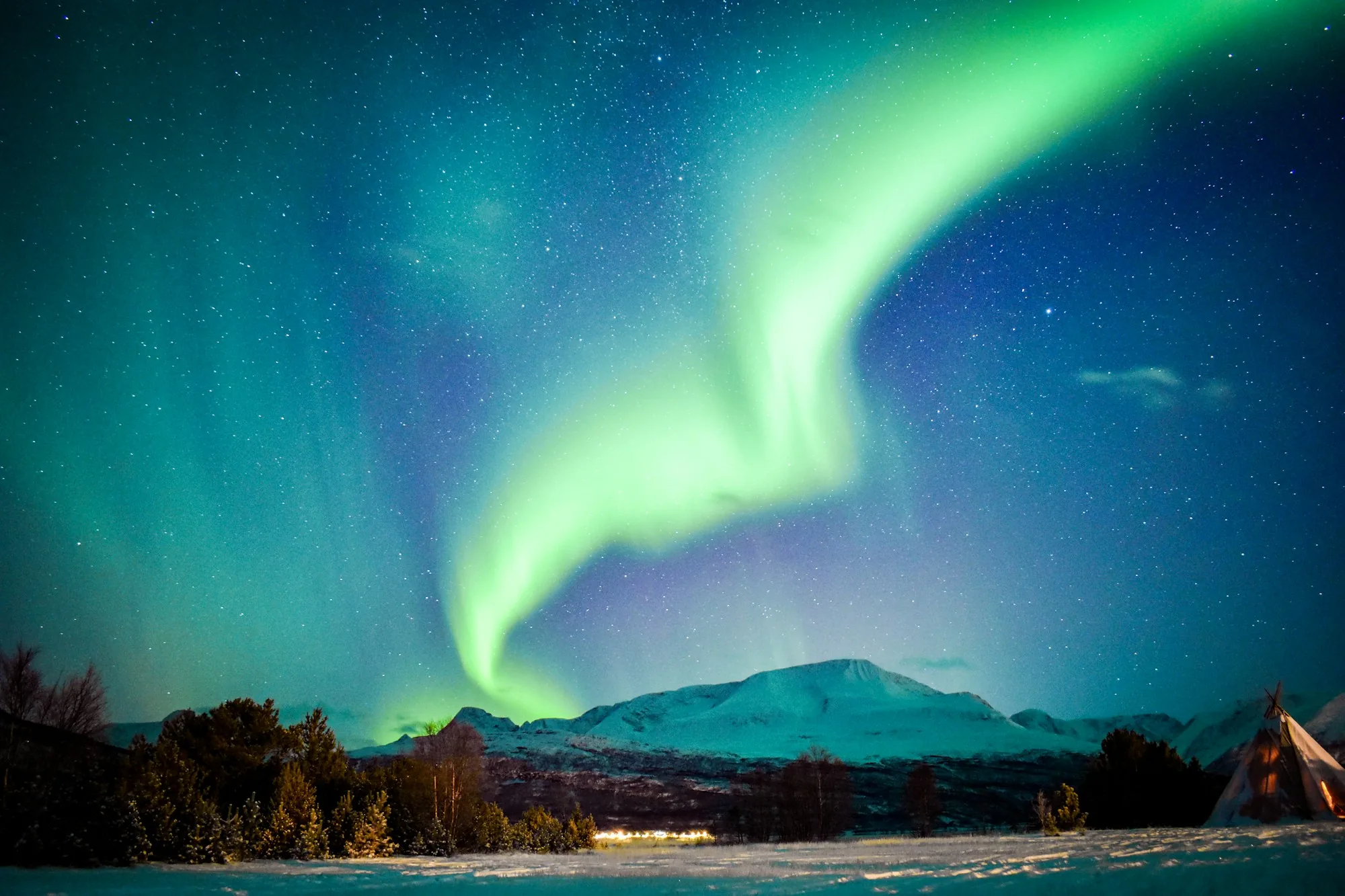
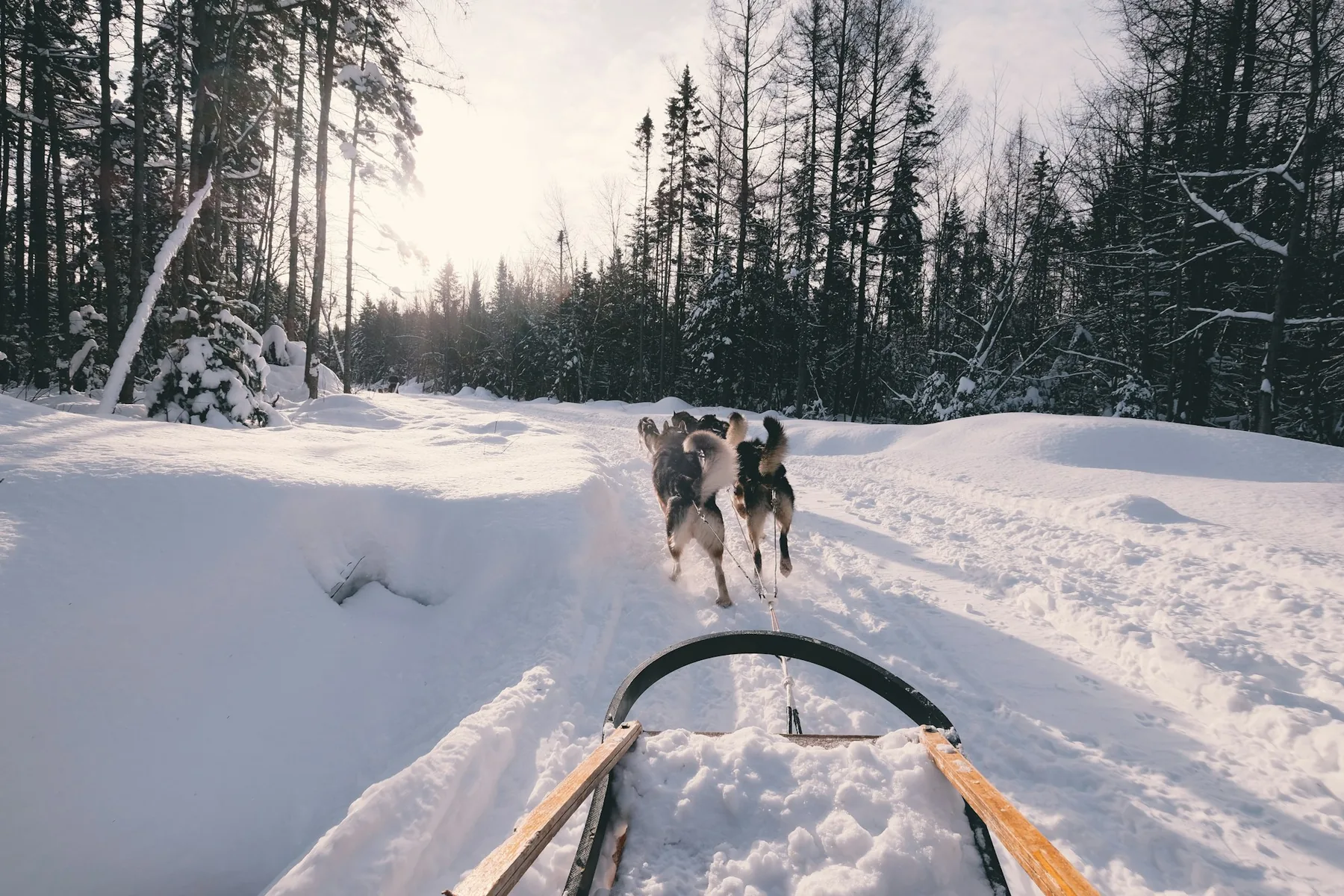
In Helsinki, you get design, sea air, islands, food, public saunas, architecture and a city that rewards slow exploration. In Lapland, you get snow forests, reindeer, huskies, aurora cabins, wilderness lodges and quiet winter landscapes. In the Lakeland region, the rhythm changes again: lakes, saunas, forests and slower countryside stays.
The country is not trying to overwhelm you. It works best when the trip is planned with enough space.
That is also where local planning helps. Finland is easy to visit, but easy does not always mean obvious. The best hotel location, the right Lapland base, the season that matches your expectations, the correct transfer timing and the difference between a generic tour and a genuinely good private itinerary can change the whole trip.
Planning with a Local Expert
If you still feel unsure, the most useful reassurance is not another random opinion online. It is speaking with someone who is actually based in Finland and plans these trips every week.
Guidance DMC is based in Helsinki and designs private Finland and Nordic trips for couples, families, private groups and travel advisors. We help with route planning, hotels, transfers, Lapland logistics, sauna experiences, local guides, seasonal timing and realistic pacing.
We also tell clients plainly when something does not make sense. That can be just as valuable as suggesting what to book.
If your concern is safety, logistics, weather, Lapland distances or whether Finland is the right destination for your next trip, that is exactly the kind of conversation we have with first-time Finland visitors all the time.
Request a Custom Finland Itinerary
FAQ: Is Finland Safe to Visit?
Is Finland safe to visit right now?
Yes. Finland is rated at the lowest or baseline advisory level by major Western travel advisories, including the United States, Canada and Australia. The UK does not issue a general warning against travel to Finland.
Is Finland dangerous because it borders Russia?
No. Sharing a border with Russia does not make Finland dangerous for tourists. Finland has always bordered Russia, and the eastern land border crossings are currently closed until further notice.
Is there a travel warning for Finland because of Russia?
No major Western government currently advises tourists to avoid Finland because of Russia. Travellers should always check official advisories before departure, but Finland is generally treated as a normal-precautions destination.
Is Helsinki safe for tourists?
Yes. Helsinki is considered very safe by European capital standards. Normal city awareness applies, but violent crime and serious tourist safety concerns are low.
Is Lapland safe to visit?
Yes. Finnish Lapland is a mature international tourism destination with strong visitor infrastructure. The main things to plan carefully are weather, winter clothing, distances and activity timing.
Did Finland joining NATO make it safer to visit?
NATO membership does not change normal tourist life, but it strengthens Finland’s wider security context. Finland became a NATO member in April 2023 and is now covered by the alliance’s collective defence framework.
Should I travel to Finland despite the war in Ukraine?
Yes, if Finland fits your travel plans and official advisories remain at normal levels. The war in Ukraine does not directly affect normal tourism in Finland.
Final Thoughts
Finland shares a long border with Russia. That fact is real, and it is reasonable for travellers to ask questions about it.
But proximity is not the same as danger.
Finland is stable, organised and safe by official travel advisory standards. Its Russia land border crossings are closed, it is a NATO member, and its main tourism regions continue to operate normally.
For most visitors, the real planning questions are not “is Finland dangerous?” but “which season should we choose?”, “how many days do we need?”, “should we include Lapland?”, and “how do we make the trip feel smooth instead of rushed?”
That is where a local DMC can help.
At a glance
- Two nights at Hotel Kämp with a full private day in Helsinki
- Two nights on the shore of Lake Inari, the heart of Sámi culture
- Reindeer, huskies, a snowmobile ride on the frozen lake and two guided aurora outings
- Two nights at a forest spa beside Urho Kekkonen National Park
Seven days that join Finland's design capital with the far north of Lapland. You start with two nights in Helsinki: a full day with your own guide and driver, then a seafront sauna and a dip in the frozen Baltic. It is the city at its most Finnish, not a stopover on the way north.
A morning flight takes you to Ivalo, the northernmost airport in Finland. From here the trip splits between two quiet bases. Inari sits on the shore of a vast frozen lake and is the centre of Sámi culture in Finland, with long dark skies for the Northern Lights. Saariselkä lies on the edge of Urho Kekkonen National Park, one of the largest wilderness areas in the country.
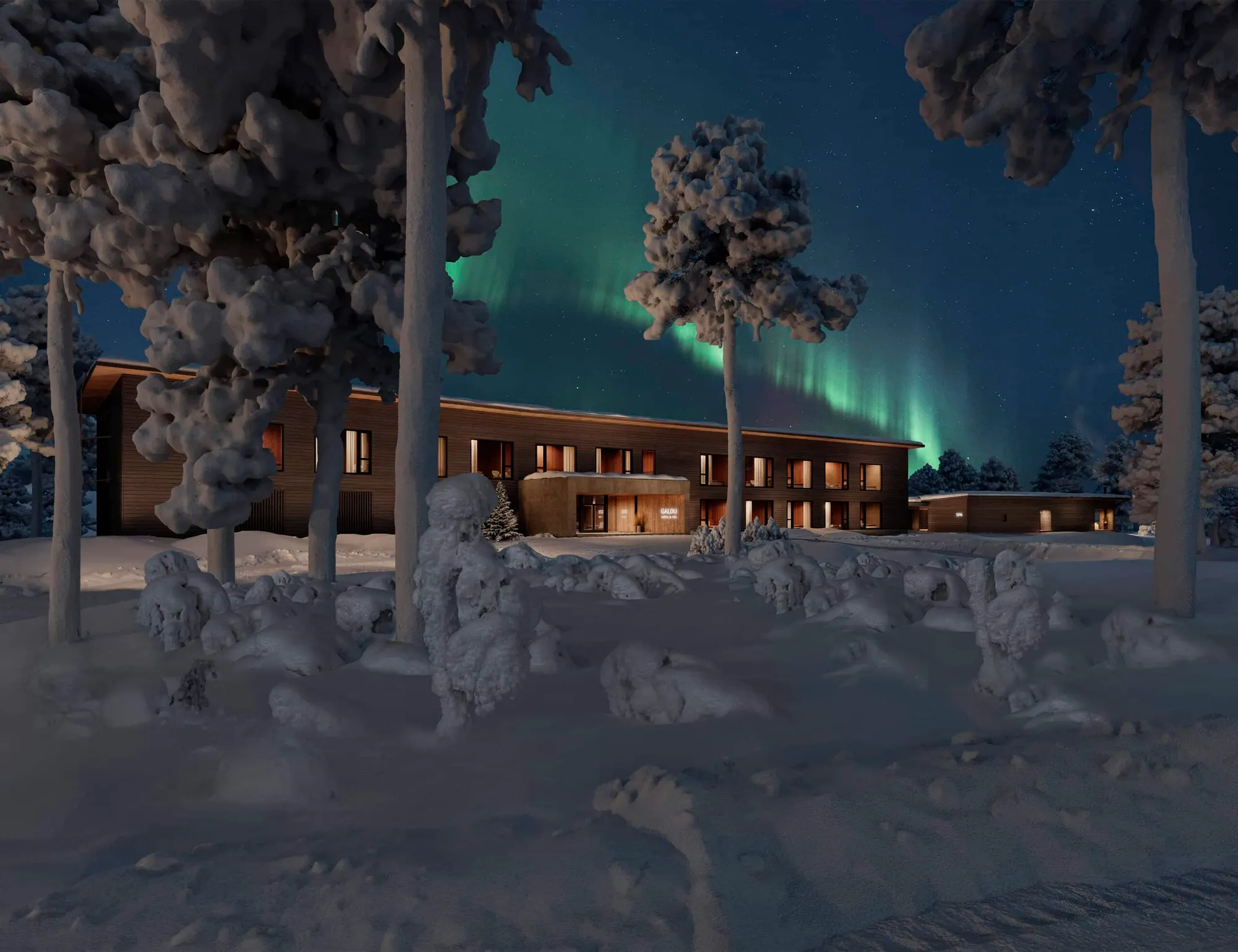
Inari comes first for the active days: reindeer, a snowmobile ride across the lake with ice fishing, a husky safari and evenings out under the aurora. The last two nights at Gáldu Hotel & Spa slow the pace down, with a forest spa, a snowshoe walk into the fells and a private aurora hunt by car. Ivalo Airport sits between the two bases, so no transfer takes more than about an hour. Starting in Rovaniemi instead? Our guide to getting from Rovaniemi to Saariselkä compares the bus, driving and a private transfer.
Add Stockholm. Begin with three nights at Grand Hôtel in Stockholm, a private day in the city and the overnight ship to Helsinki in a sea-view suite, arriving in the morning for your first day here. From €5,700 per person on top of this journey, based on two guests sharing. Our guide to Stockholm in winter covers what the city is like from December to March.